

CDIF4EOSC at EOSC Symposium 2026: Building Connections and Advancing Data Interoperability
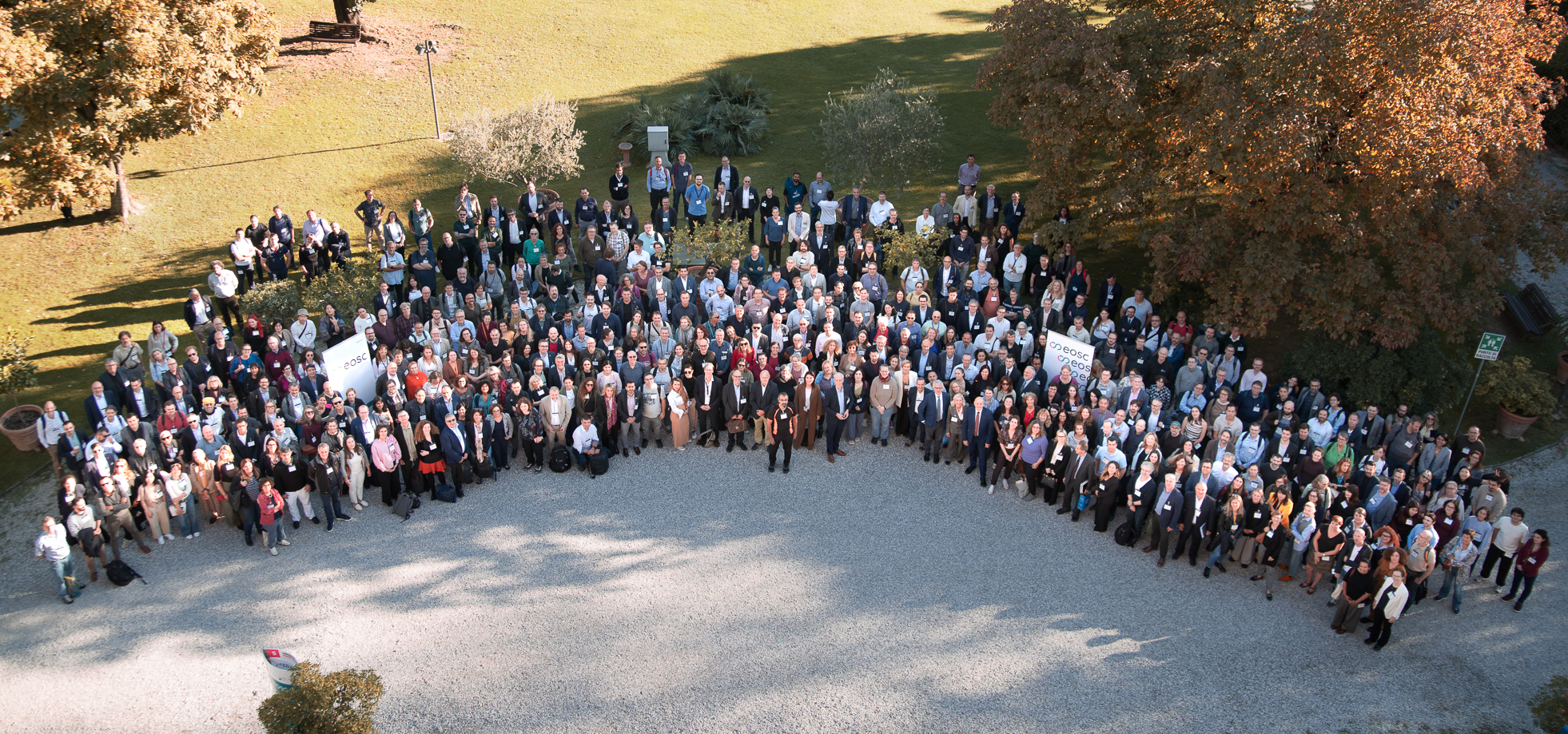

Florence, Italy | 14–16 October 2026
The CDIF4EOSC project took part the EOSC Symposium 2026 in Florence, the annual gathering of the European Open Science Cloud (EOSC) community which this year brought together over 500 participants. The event provided a valuable opportunity to engage with researchers, representatives of EOSC Nodes, other European research infrastructures, data service providers, the European Commission and other EOSC projects — and, importantly, to showcase the contribution CDIF4EOSC will make to EOSC over the next three years.
There was real interest in how CDIF4EOSC, building on the Cross-Domain Interoperability Framework (CDIF), will help overcome barriers to data interoperability across research disciplines and infrastructures. And, in particular, in how the project’s planned Playbook for FAIR data integration, which will include practical guidelines, profiles and AI-assisted tools and services, will help make research data easier to connect, share and reuse across scientific domains and can be easily adopted in the EOSC ecosystem.
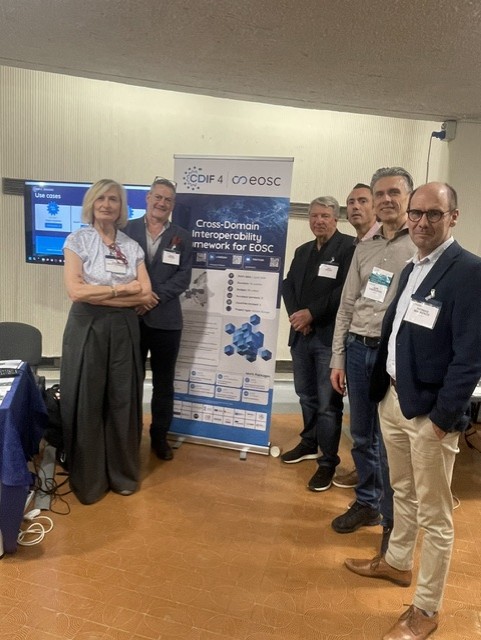
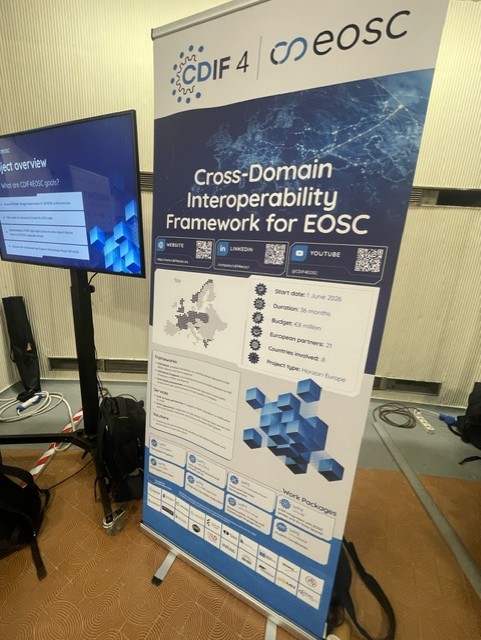
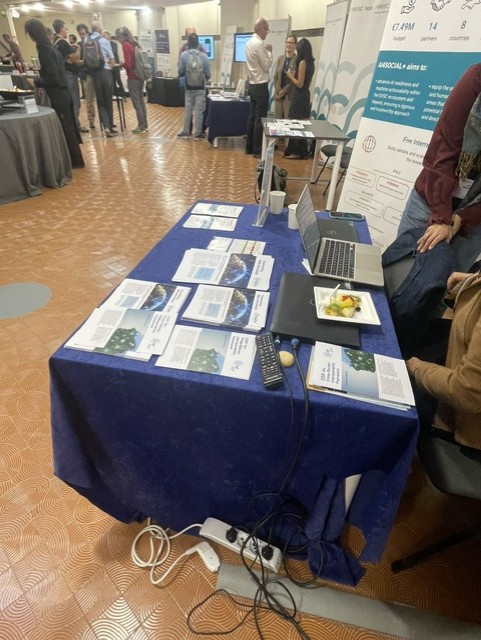
Connecting with the EOSC community
This year’s Symposium brought together researchers, and the representative of research infrastructures, EOSC Nodes, policymakers and representatives of EU-funded projects to discuss the next phase of EOSC’s development. The event was particularly significant, taking place just days after the EOSC Federation entered production, marking a major step towards a more connected European research data ecosystem.
For CDIF4EOSC, the three-day event was an ideal opportunity to introduce the project launched in June, exchange ideas and explore synergies with other EOSC initiatives.
Discussions with participants focused on the importance of moving beyond common principles and standards towards practical solutions that enable data from different disciplines and infrastructures to be integrated and reused.
The project booth attracted particular interest from representatives of other EOSC initiatives, EOSC Nodes and projects, opening up opportunities for closer coordination and collaboration, knowledge exchange and future engagement, as its tools, services and guidelines are developed.
From framework to practical solutions for EOSC
A central ambition of CDIF4EOSC is to translate the Cross-Domain Interoperability Framework (CDIF) into practical solutions that research communities and infrastructures can easily adopt.
Over the next three years, the project will extend the CDIF recommendations to develop an actionable Playbook for FAIR data integration, bringing together guidelines, interoperability profiles, use-case examples and AI-assisted tools and services.
These outputs will be developed and tested through three use cases addressing ocean sciences, climate adaptation and safe-and-sustainable-by-design materials development.
Importantly, the project aims to ensure that its results can be adopted within EOSC Federation Nodes and Common European Data Spaces, helping to bridge the gap between interoperability standards and their practical implementation.
Strengthening collaboration and Europe’s leadership in interoperability
With the EOSC Federation now operational, the need for effective cross-domain data interoperability is more important than ever.
The Symposium highlighted how FAIR and interoperable research data are essential not only for Open Science, but also for advancing AI-driven research, interdisciplinary collaboration and Europe’s wider research and innovation ambitions.
Looking ahead
Building on the contacts established and discussions initiated in Florence, the project will continue engaging with the wider EOSC community to ensure that outputs respond to real user needs and contribute to the long-term development of the EOSC.
Interested in collaborating with CDIF4EOSC? We welcome engagement from EOSC Nodes, EOSC projects, other European research infrastructures, data service providers and research communities interested in advancing cross-domain interoperability.